
Pictures from the Heritage Archives
- Oct 28, 2023
- 2 min read
Reading Bridge Celebration - Part II

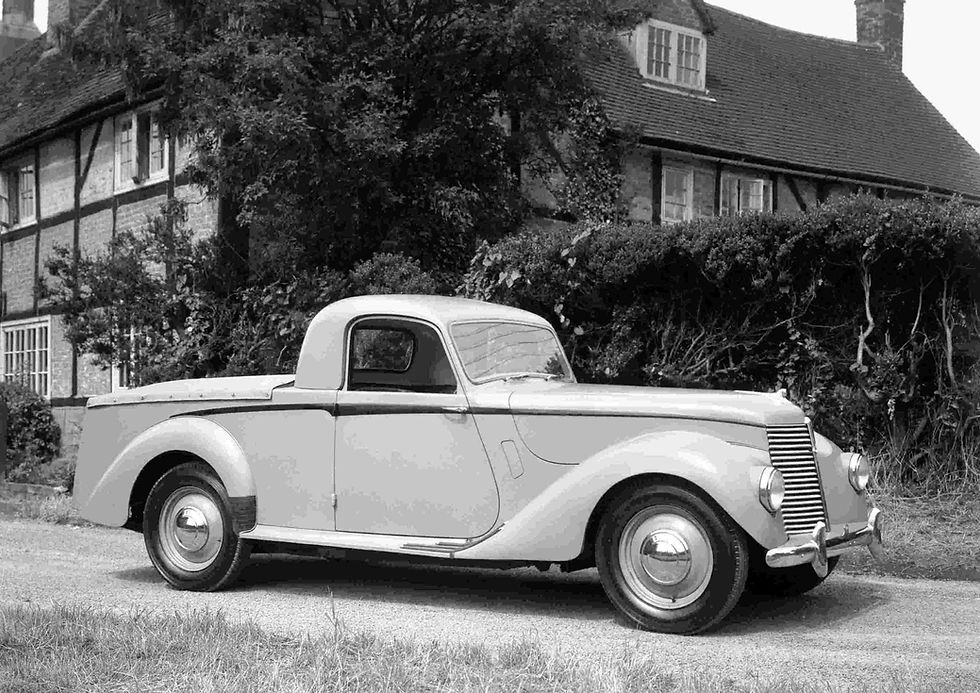
Following on to our last entry concerning the part Armstrong Siddeley cars played in the Reading Bridge Celebrations, we noticed that at the opening ceremony in 1923 the first car to cross was driven by Mr. W. Vincent. The name Vincent is associated with Armstrong Siddeley, both as a main dealer and also as a coachworks entrusted with the making of prototype bodies when the Experimental Division at Parkside were over committed with aero engine work etc.
Vincent Coachworks were set up in 1805 at Arborfield village which lies a little way to the south and east of Reading. Here they manufactured horse drawn coaches, agricultural equipment and railway carriages. The first car body was made in 1899 and by 1906 Vincent was supplying Rolls-Royce. In 1912 they made their first horse boxes which were to become renowned and were in production with breaks during war time till 1981.
In 1928 they moved to Station Square, central Reading, with near neighbours Huntley and Palmer, biscuits, and Suttons, seeds. Here they created what was for many years the largest motor showroom in England and then added a ‘second hand car’ showroom and works department at 78, Castle Street Reading. An idea of the size of the Station Square premises can be gained when it is realized that during WWII this became a shadow factory fabricating complete Spitfire fuselages fitted with RR engines.

Six long wheel base 346 chassis were sent by Armstrong Siddeley Experimental Department to Vincent for prototype Limousine bodies. Just five completed cars were delivered between November 1952 and October 1953. The sixth chassis was probably returned to Parkside. According to Vincent’s own historical record the car body building business closed in 1952 which means that in all probability our Armstrong Siddeley prototype limousines were the last vehicles to be made by them, and this would also explain why only five out of the six were completed.
It would be two years later before the factory version was launched at the Earls Court Motor Show of 1955.



Comments