
Pictures from the Heritage Archives

After the track test had been completed, the comments made by the delivery driver and recorded on the cards were actioned. Problems could be perhaps as simple as steering wheel spokes not being quite level when driving straight ahead, or a slight tremor of the bonnet, to more technical items like the automatic gear box not giving satisfactorily smooth changes. As no two engines could be guaranteed to perform in exactly the same manner the gear shift pattern would on occasion require fine tuning. Further track tests would then be made.
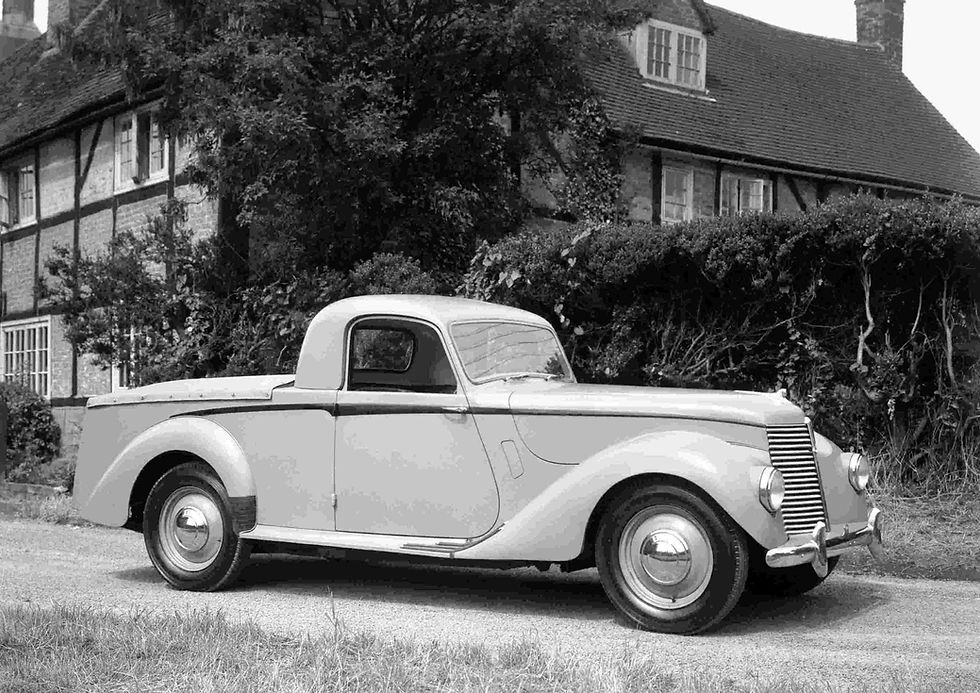
Fluid levels were then checked and the lights focused and set. Next the car was placed on a ramp and the underside checked. The car in our picture has obviously passed with flying colours as the front bumper and the hub caps have been fitted.

The final test was to play a high pressure hose on the car with an inspector inside looking out for the slightest leak. Somehow knowing human nature things may not have always been without incident. The cars then moved to the final department where they were readied for dispatch.


Comments